
What are our experiential methods?

Psychodrama and Sociometry
Experiential approaches that use action, role-play, movement, and interpersonal exercises to help people explore relationships, identity, emotions, and patterns of relating. Sociometry specifically examines the dynamics of connection, choice, belonging, and group relationships.

Somatics and Yoga
Approaches that incorporate awareness of bodily sensations, movement, breath, and nervous-system responses into psychotherapy. They help clients develop greater awareness and regulation of the mind–body connection, particularly in working with stress and trauma.

CBT and DBT in Action
Both CBT and DBT are evidence-based approaches that explore the relationships among thoughts, emotions, and behaviors. They help reframe unhelpful thinking patterns and emphasize skills for emotional regulation, distress tolerance, interpersonal effectiveness, and mindful awareness. We use action methods to put these skills into practice during sessions.

The Expressive Arts
These approaches use creative expression—such as art, music, film, drama, writing, or creative play—as a pathway for therapeutic exploration and communication. They can help clients access experiences and emotions that may be difficult to express through words alone.

IFS
Internal Family Systems (IFS) is a therapeutic approach that helps clients understand and work with the different “parts” of themselves, including those shaped by fear, pain, and protective patterns. Through curiosity and self-compassion, clients build a more trusting relationship with these parts and develop greater internal balance and flexibility.

EMDR
Eye Movement Desensitization and Reprocessing (EMDR) is a structured trauma therapy that helps clients process distressing memories and experiences while reducing their emotional intensity. It uses bilateral stimulation, such as eye movements or alternating taps, alongside guided recall and cognitive processing. — COMING SOON

Nature-Based Therapy
Nature-Based Therapy incorporates the natural environment into the therapeutic process to support emotional regulation, self-awareness, and connection. Through guided reflection, sensory engagement, and experiences in nature, clients can slow down, gain perspective, and explore new ways of relating to themselves and the world around them.
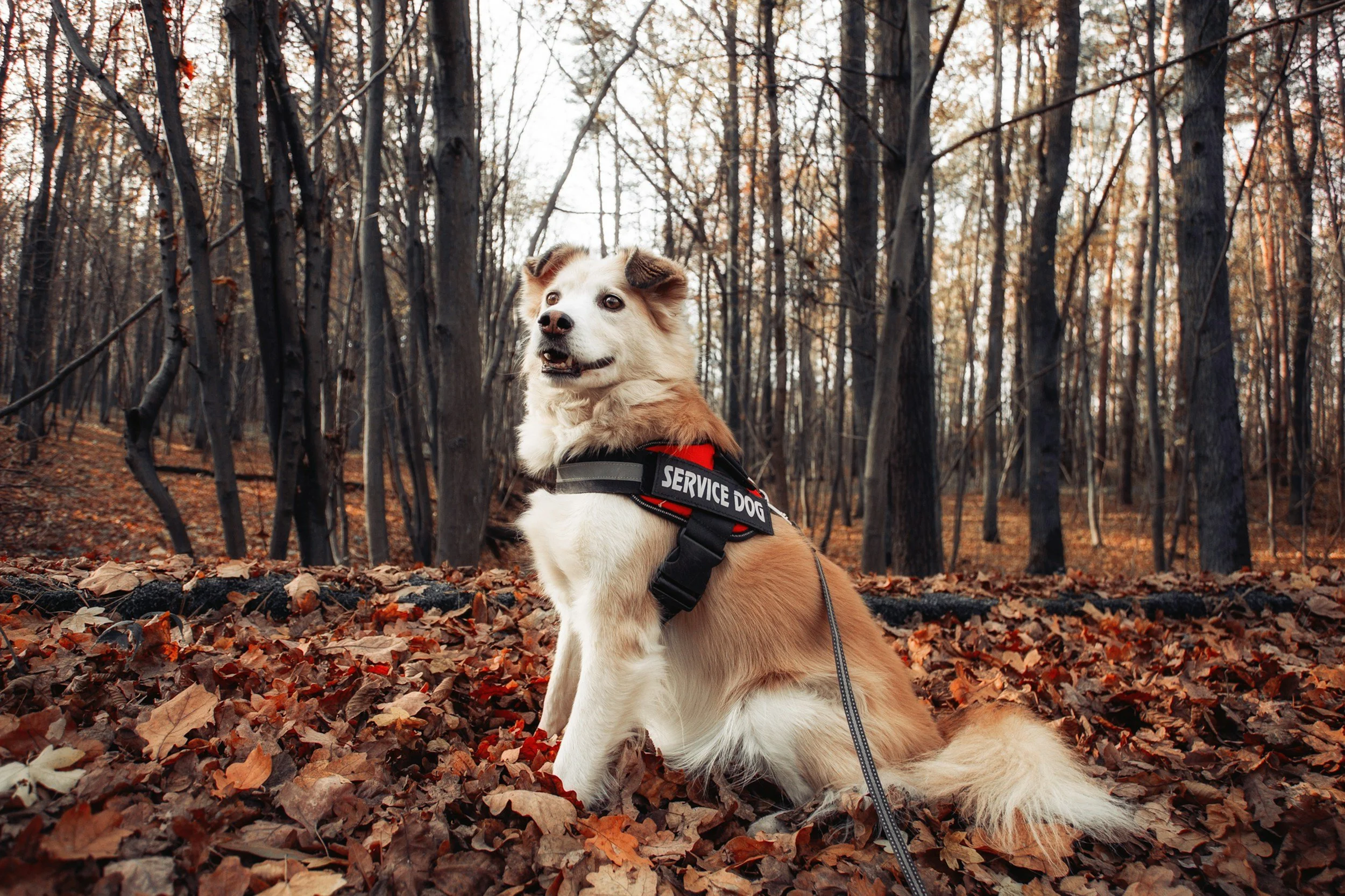
Pet-Assisted Therapy
Therapeutic approaches that intentionally incorporate trained animals into the therapeutic process to support emotional regulation, connection, communication, and engagement. Interactions with animals may help create a sense of safety and provide opportunities to practice relational skills.— COMING SOON